How to Start a Youth Empowerment Program in Your Community


Understanding the Need for Youth Empowerment
Youth empowerment is essential for building a strong and vibrant community. By providing young people with the tools, resources, and opportunities they need, we enable them to become active contributors to society. Understanding the unique needs and aspirations of the youth in your community is the first step towards creating an effective empowerment program.
Listen to what young people are saying. Engage with them through surveys, focus groups, or informal gatherings. This will help you identify the challenges they face and the opportunities they desire. Empowering youth is not just about addressing their immediate needs but also about nurturing their future potential.
Setting Clear Goals and Objectives
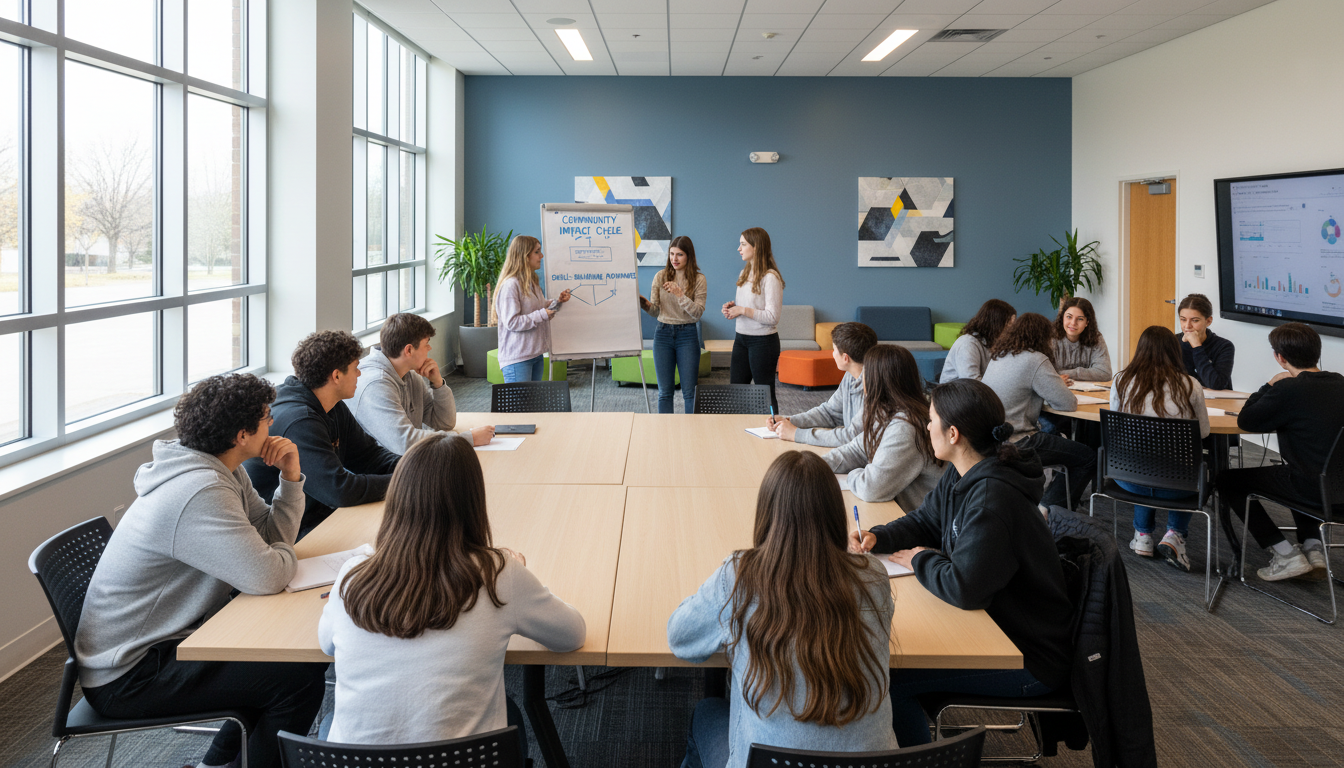
Once you have a clear understanding of the community's needs, set specific goals and objectives for your program. These should be realistic, measurable, and aligned with the broader vision for youth empowerment. For example, your goals might include increasing access to education, enhancing leadership skills, or promoting mental health awareness.
Having well-defined objectives will guide your program's development and help you measure its success. Involve stakeholders, including educators, parents, and young people themselves, when setting these goals to ensure they are relevant and comprehensive.
Building Partnerships and Collaborations
Collaborate with local organizations, schools, and businesses to create a robust support network for your program. Partnerships can provide essential resources such as funding, expertise, and volunteers. They also help in expanding the reach and impact of your initiatives.
Don't hesitate to reach out to potential partners who share your vision for youth empowerment. Building strong relationships with these stakeholders ensures sustainability and can open up new avenues for program growth.
Developing Engaging Activities
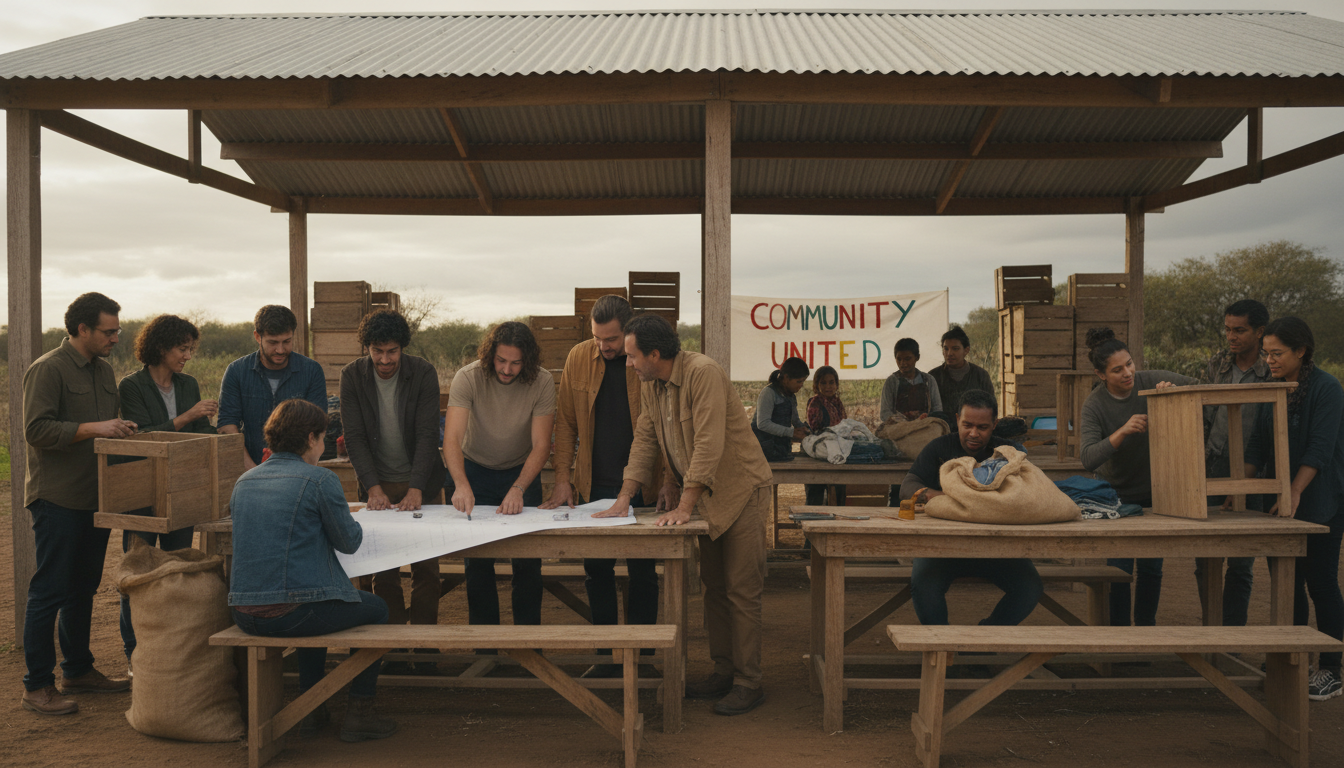
Design activities that are engaging, educational, and empowering. These could range from workshops and seminars to mentorship programs and community service projects. Ensure these activities are inclusive and accessible to all youth in your community.
Consider using a mix of hands-on experiences, interactive sessions, and digital platforms to engage young people. Keeping activities varied and dynamic will maintain interest and encourage continuous participation.
Securing Funding and Resources
Funding is a critical component of any youth empowerment program. Begin by identifying potential sources of funding such as grants, donations, or sponsorships. Clearly articulate the impact of your program to attract support from individuals and organizations that are passionate about youth development.
Additionally, make efficient use of available resources. This might involve leveraging community spaces, utilizing volunteer skills, or collaborating with other programs to share costs and resources.
Monitoring and Evaluating Progress
To ensure your program's success, regularly monitor and evaluate its progress. Establish key performance indicators (KPIs) to measure outcomes against your objectives. This will help you understand what is working and where improvements are needed.
Gather feedback from participants and stakeholders to gain insights into their experiences and perspectives. Use this information to refine your program and make necessary adjustments to better serve the youth in your community.
Promoting and Celebrating Successes
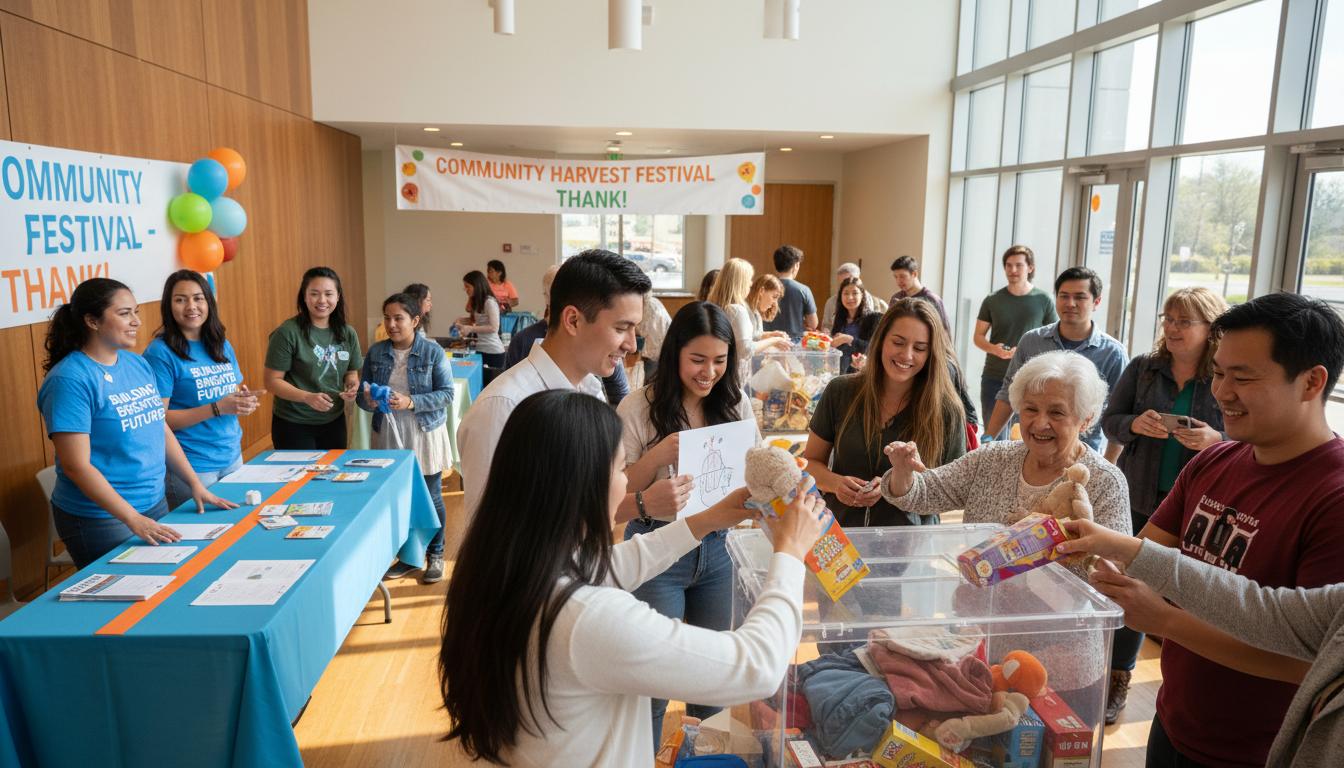
Share the achievements of your youth empowerment program with the wider community. This not only highlights the positive impact of your efforts but also inspires others to get involved. Use social media, newsletters, and community events to showcase success stories and milestones.
Celebrating successes boosts the morale of participants and stakeholders, reinforcing their commitment to the program. It also helps build a sense of community pride and encourages continuous support for youth empowerment initiatives.